
A new research shows that labelling clothes with cost per wear could curb fast fashion.Buying fewer, better quality garments that last years is what cost per wearing investment pieces means.
What is cost per wear
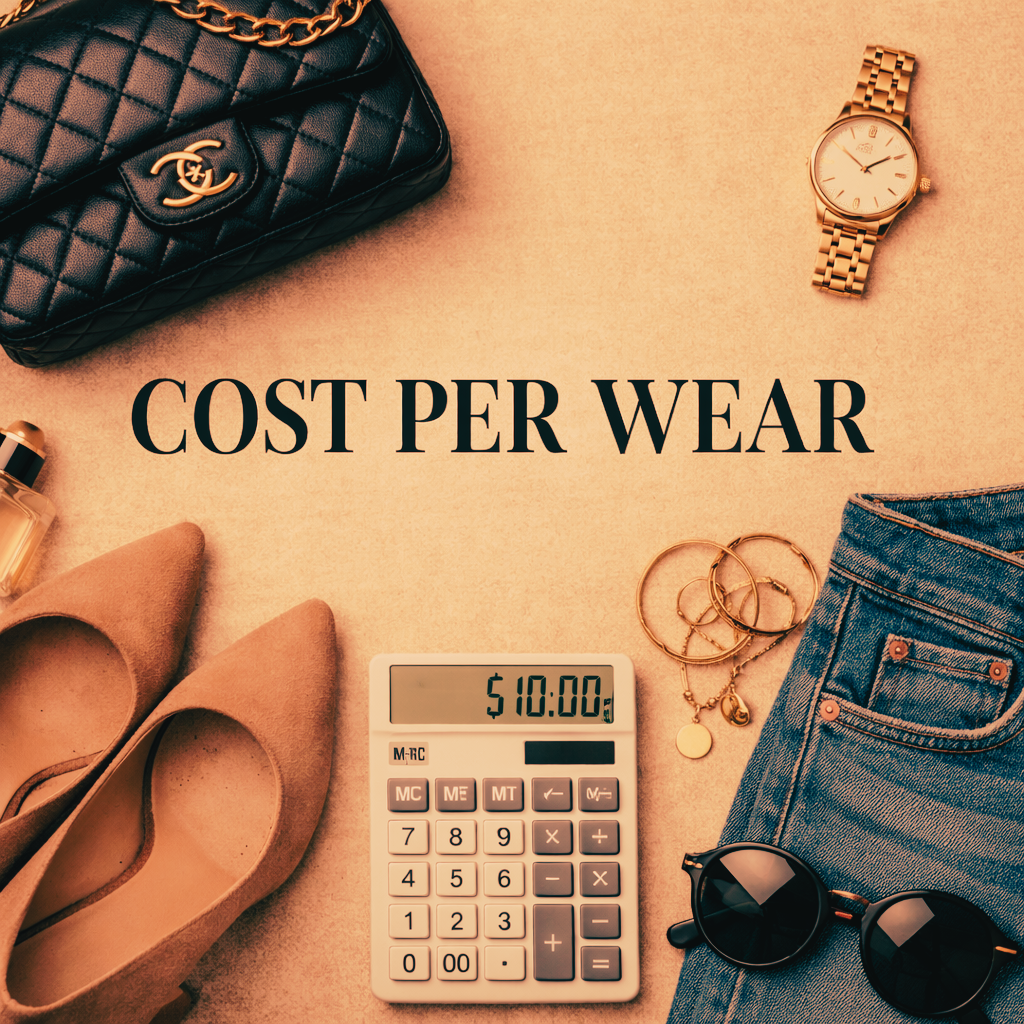
Cost per wear (CPW) means measuring the true value of a garment.It considers how often you wear an item over its lifetime.
Formula:
Cost-per-wear=Total cost of the garment/Number of times worn
This means that expensive doesn’t always mean wasteful and cheap doesn’t always mean economical.
The rise of investment pieces
The rise of high quality fashion items that are designed to last for years rather than seasons is a growing trend driven towards sustainability, mindful consumption and financial prudence.

key drivers of “the investment piece trend”
1)Cost per wear-Focusing on items that can be worn or used for years reduces the overall cost over time.
2)qty over quality-Consumers are increasingly focusing on durability and craftsmanship rather than fleeting trends.
Why buying less makes sense
1)Financial clarity
Spending on luxurious items over cheap items helps to reduce the need for constant replacement.Buying fewer garments reduces demand, waste and resource consumption making your wardrobe a concious choice.
2)Personal style evolution
You choose more carefully when you buy less.overtime,this builds a wardrobe that reflects your identity rather than passing trends.
3)Sustainability impact
The fashion industry is one of the largest contributors to environmental waste.Buying fewer garments reduces demand, waste and resource consumption-making your wardrobe a conscious choice.
4)Emotional durability
High quality garments often carry stories of craftsmanship ,origin or personal milestones.

How to identify true investment pieces
Here’s what to look for :
1)Material quality: Natural fibres like cottonwood,silk and linen tend to last longer.
2)Construction: Strong sticking,reinforeced seams and attention to detail.
3)Brand ethics: Transparency in sourcing and production adds long term value.
4) Timeless design: Avoid over trendy patterns.
Cost per-wear in the Indian context
In india ,where traditional textiles and craftsmanship have deep roots ,investment dressing takes an even greater meaning, handloom fabrics and artisans embroidery are inherently durable and culturally rich.
A shift in mindset
Moving towards cost-per wear thinking requires unlearning the thrill of “more” and embracing the satisfaction of “enough”.Its about asking:
1)Will I wear this 30 times?
2)Does this align with my style long term?
The answers to these questions shape a wardrobe that is not only enough functional but meaningful.
Final thought-
It is not necessary about how much you won-its about how well you use what you have.This means the true style.
In choosing fewer, better pieces you are not just dressing well -you are thinking well.
Because in the end, the most sustainable wardrobe is the one you already own -used wisely.
Leave a Reply